

The Authority in Global Agricultural Chemistry & Bio-Resources
Are collagen stimulation treatment benefits real?
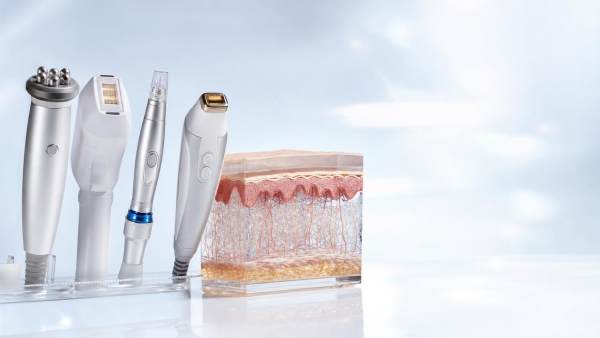
Are collagen stimulation treatment benefits real, or just another beauty-tech promise? For consumers exploring RF, HIFU, microneedling, laser, or home anti-aging devices, the answer depends on biology, device quality, treatment depth, and safety standards. Collagen can be encouraged to remodel over time, but results are rarely instant or identical for everyone. This guide explains what collagen stimulation can realistically do, how different technologies work, and what to look for before investing in clinic-based or at-home skin rejuvenation solutions.
For end consumers, the challenge is not only choosing a treatment. It is understanding whether a device, clinic, or home-use system can deliver controlled energy, repeatable contact, and appropriate aftercare. That is where collagen stimulation treatment benefits become a matter of both skin science and equipment quality.
What collagen stimulation can and cannot do
Collagen is a structural protein that supports firmness, elasticity, and texture. From the late 20s onward, natural collagen renewal often slows, while UV exposure, smoking, sleep quality, and inflammation can accelerate visible aging.
Most collagen-focused treatments work by creating a controlled thermal, mechanical, optical, or micro-injury signal. The body then starts a repair process that may unfold across 4–12 weeks, with some remodeling continuing for several months.
Realistic benefits consumers may see
- Mild to moderate improvement in skin firmness after a series of treatments.
- Smoother texture, especially when microneedling or fractional energy is used appropriately.
- Subtle lifting around the jawline, cheeks, or brow with suitable RF or HIFU protocols.
- Improved appearance of fine lines when combined with sun protection and skincare compliance.
- Better skin density over time, typically requiring 2–4 sessions depending on the technology.
These collagen stimulation treatment benefits are usually gradual, not surgical. A device can encourage remodeling, but it cannot replace volume loss, bone structure changes, or deep tissue laxity in every case.
Where expectations often go wrong
Consumers often expect a single 30-minute session to erase 10 years of aging. In reality, collagen response varies by age, hormones, skin thickness, treatment intensity, and recovery capacity.
Visible change may be modest after the first visit. Many protocols use 3 sessions spaced 4–6 weeks apart, while maintenance may be scheduled every 6–12 months for clinic-based procedures.
A useful consumer checkpoint
If a provider promises instant permanent tightening, guaranteed wrinkle removal, or identical results for every skin type, that is a warning sign. Responsible aesthetic technology works within biological limits.
How different technologies stimulate collagen
The term “collagen stimulation” covers several device categories. RF, HIFU, laser, IPL, EMS, and microneedling do not work in the same layer or with the same risk profile.
The following comparison helps clarify typical use cases. Exact parameters depend on device design, operator training, regulatory classification, and individual skin assessment.
The key conclusion is simple: stronger energy is not automatically better. The best collagen stimulation treatment benefits come from matching the correct depth, dose, and recovery window to the consumer’s skin condition.
Why device engineering matters
In optoelectronic aesthetics, controlled output is central. A professional RF system should maintain stable energy delivery, while a laser platform should provide consistent pulse behavior and adequate cooling.
For home devices, engineering priorities shift toward safety locks, temperature algorithms, contact sensors, treatment timers, and output limits. These features help reduce misuse during repeated weekly routines.
Clinic-grade versus home-use positioning
Clinic treatments usually target deeper or more intense stimulation under trained supervision. Home devices are designed for lower intensity, higher frequency, and gradual support over 8–12 weeks.
Consumers should not expect a handheld device to duplicate a medical aesthetic platform. However, well-designed home systems can help maintain visible results when used consistently and safely.
Who is a good candidate for collagen stimulation?
The best candidates are usually people with early to moderate signs of aging: fine lines, mild laxity, enlarged-looking pores, dullness, or uneven texture. Severe sagging may need a different plan.
Skin type matters. Darker skin tones may require extra caution with certain lasers, while very thin or sensitive skin may need conservative RF settings and longer recovery intervals.
A 5-step self-assessment before booking
- Define your concern: laxity, wrinkles, texture, pores, scars, or pigmentation.
- Check your timeline: most results need 4–12 weeks, not 48 hours.
- Review skin history: keloids, melasma, active acne, eczema, or recent isotretinoin use.
- Ask about downtime: some options require no downtime, while lasers may need several days.
- Confirm maintenance capacity: results depend on skincare, SPF, and repeat sessions.
This assessment helps consumers understand whether collagen stimulation treatment benefits are likely to match their priorities. It also reduces impulsive purchases driven by before-and-after images.
When to pause or seek medical advice
People who are pregnant, have implanted electronic devices, active infections, uncontrolled skin disease, or recent facial surgery should ask a qualified professional before using energy-based devices.
Anyone using prescription retinoids, photosensitizing medication, or aggressive peels should discuss timing. In many routines, a 7–14 day adjustment window may be recommended.
The role of consultation
A credible consultation should include skin examination, treatment history, contraindication screening, expected session count, downtime explanation, and aftercare instructions. A 10-minute sales talk is not enough.
How to choose a safe device, clinic, or home solution
For consumers, safety and value depend on more than price. A low-cost session may be expensive if the operator lacks training or the device lacks stable output control.
AECS observes the appearance economy through the lens of medical-grade professionalism and absolute safety. That means consumers should evaluate both the technology and the system behind it.
Use the following decision table before investing in clinic-based treatment or a home anti-aging device. It translates technical details into practical consumer questions.
The strongest takeaway is that collagen stimulation treatment benefits depend on process discipline. A responsible provider can explain settings, risks, intervals, and realistic endpoints without overselling.
Home device buying checklist
- Look for automatic shutoff, skin-contact detection, and temperature monitoring.
- Check whether the treatment area and usage frequency are clearly defined.
- Avoid devices with vague claims such as “clinic results in one use.”
- Confirm cleaning instructions, replacement accessories, and charging safety.
- Read contraindications, especially for implants, medical conditions, and sensitive skin.
A good home device should fit into a 10–20 minute routine without encouraging excessive use. More passes, more heat, or daily misuse can increase irritation rather than accelerate collagen renewal.
Results timeline, aftercare, and common mistakes
Collagen remodeling is slow because the skin needs time to create and reorganize supportive fibers. Many consumers notice glow first, texture next, and firmness later.
A typical collagen stimulation timeline may include immediate redness for several hours, early smoothness within 1–2 weeks, and more visible firmness after 8–12 weeks.
Aftercare that supports better outcomes
- Use broad-spectrum SPF every morning, especially after laser, microneedling, or heat-based procedures.
- Avoid strong acids, retinoids, exfoliation, and hot saunas for 24–72 hours unless advised otherwise.
- Focus on barrier repair with gentle cleanser, moisturizer, and low-irritation formulas.
- Do not combine multiple aggressive treatments within the same week without professional guidance.
- Track progress with same-lighting photos every 4 weeks instead of judging daily changes.
These steps do not guarantee a dramatic transformation, but they protect the skin environment where collagen remodeling happens. Consistency often decides whether subtle benefits become visible.
Mistakes that reduce collagen stimulation treatment benefits
The most common mistake is combining too many actives too soon. A strong retinoid, acid toner, vitamin C, and device session may overload sensitive skin.
Another mistake is chasing pain as proof of effectiveness. Some professional treatments are uncomfortable, but unnecessary burning, severe swelling, blistering, or prolonged redness needs attention.
When results seem disappointing
If results are limited after 3 months, review diagnosis, device category, energy settings, session spacing, sleep, nutrition, sun exposure, and whether volume loss is being mistaken for collagen loss.
Sometimes a combined plan works better: RF for firmness, laser for texture, injectables for volume, and skincare for pigment control. The sequence should be personalized, not copied from social media.
Consumer questions before investing
Before paying for a course or device, consumers should ask practical questions. The answers reveal whether the provider understands both skin biology and equipment limitations.
Useful questions to ask
- What specific skin concern is this treatment targeting?
- How many sessions are usually needed for my concern: 1, 3, or 5?
- What downtime should I expect in the first 24, 48, and 72 hours?
- What are the risks for my skin tone and medical history?
- How will progress be measured after 4, 8, and 12 weeks?
- What should I do if redness, swelling, or pigmentation appears?
Clear answers do not need to be complicated. They should be specific, measured, and relevant to the technology being recommended.
How AECS helps consumers think more clearly
AECS focuses on the technologies behind the appearance economy: medical aesthetic optoelectronic devices, home beauty systems, personal care appliances, oral care devices, and cosmetics production systems.
For consumers, this perspective matters because product claims often sound similar. The real difference lies in thermodynamics, fluid dynamics, compliance, industrial design, and manufacturing discipline.
When evaluating collagen stimulation treatment benefits, AECS encourages a safety-first mindset: verify the technology, understand the treatment depth, respect biological timelines, and choose transparent providers.
Final guidance: are the benefits real?
Yes, collagen stimulation treatment benefits can be real when the treatment is correctly selected, safely delivered, and supported by consistent aftercare. The benefits are usually progressive, not instant.
The most suitable consumers are those seeking gradual firmness, smoother texture, and maintenance-oriented skin rejuvenation. Those expecting surgical lifting or one-session transformation may need a different plan.
Whether you are comparing RF, HIFU, microneedling, laser, or home anti-aging devices, focus on 4 essentials: skin assessment, device quality, operator competence, and realistic timelines.
To explore safer, smarter, and more technically grounded aesthetic and personal care solutions, consult AECS for product insights, device selection guidance, and appearance-economy intelligence tailored to your needs.
Related Intelligence
- RF MicroneedlingHow Salons Can Choose Collagen Induction Devices for Safe, Profitable TreatmentsDiscover how salons can choose collagen induction devices for salons with confidence—comparing safety, compliance, training, cartridges, and profitability.
- RF MicroneedlingIs RF Microneedling Suitable for a Medical Aesthetics Distributor?Is RF microneedling suitable for a medical aesthetics distributor? Explore portfolio fit, compliance, training, consumables, and supplier support for scalable growth.
- RF MicroneedlingRadio Frequency Beauty Devices for Clinics: Key Power, Depth, and Cooling Specs to CompareRadio frequency beauty devices for clinics compared: learn how power stability, treatment depth, and cooling specs impact safety, comfort, and ROI before you buy.
The Morning Broadsheet
Daily chemical briefings, market shifts, and peer-reviewed summaries delivered to your terminal.
