

The Authority in Global Agricultural Chemistry & Bio-Resources
What does aesthetic thermodynamics change in skin treatment?
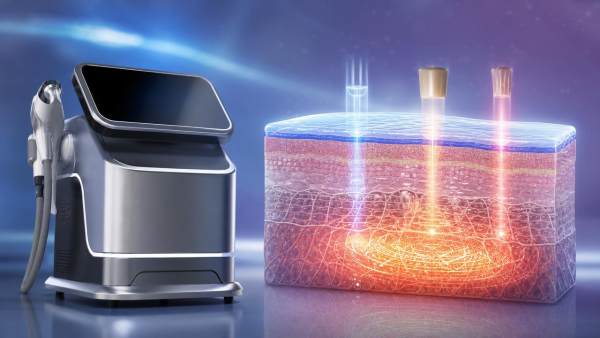
Aesthetic thermodynamics is changing skin treatment by turning heat into a measurable clinical language. In modern practice, energy is no longer judged only by power output. It is judged by how deeply it travels, how evenly it spreads, how tissue cools, and how skin biologically responds. This shift helps explain why aesthetic thermodynamics now matters across medical aesthetic devices, home beauty systems, and broader appearance-economy innovation.
From RF and HIFU to fractional lasers and IPL platforms, aesthetic thermodynamics creates a clearer framework for lifting, tightening, pigment correction, acne care, and texture renewal. It links device engineering with visible skin outcomes. It also supports safer parameter setting, better treatment planning, and stronger product positioning in a market that increasingly values medical-grade precision.
Why a checklist is necessary for understanding aesthetic thermodynamics
Skin treatment results often look simple on the surface. Underneath, they depend on a chain of thermal events. A small change in pulse width, impedance, cooling, or spot size can alter efficacy and safety. That is why aesthetic thermodynamics should be evaluated with a checklist, not with marketing language alone.
A checklist also helps compare devices across categories. It clarifies whether heat is intended to coagulate, stimulate, ablate, fragment pigment, or trigger collagen remodeling. In a cross-sector environment that includes clinics, home-use systems, and manufacturing intelligence, this approach improves decision quality and reduces interpretation errors.
Core checklist: what aesthetic thermodynamics changes in skin treatment
- Define the thermal target first, because epidermis, dermis, SMAS, vessels, pigment, and sebaceous structures require different heat ranges, dwell times, and biological endpoints.
- Measure depth control carefully, since aesthetic thermodynamics changes treatment by placing energy where collagen contraction or tissue remodeling can happen without excessive surface injury.
- Check pulse duration against tissue relaxation time, because matching thermal timing improves selectivity and lowers unwanted diffusion into surrounding skin structures.
- Review heat distribution uniformity, as uneven thermal maps can create hot spots, variable results, delayed healing, or inconsistent tightening across one treatment zone.
- Compare cooling strategy with energy delivery, because contact cooling, cryogen spray, airflow, and interval timing directly affect pain, epidermal safety, and repeatability.
- Assess tissue impedance and hydration, since RF and related systems behave differently on dry, oily, aged, or compromised skin barriers.
- Verify biological purpose beyond heat alone, whether the goal is neocollagenesis, elastin support, pigment breakup, vascular collapse, microbial reduction, or wound-healing stimulation.
- Track recovery kinetics, because aesthetic thermodynamics also changes downtime, erythema duration, edema patterns, and the timing of visible improvement.
- Examine sensor feedback and algorithm quality, as real-time temperature estimation and energy modulation increasingly separate advanced platforms from basic energy emitters.
- Link safety thresholds to skin diversity, because melanin content, vascular reactivity, and barrier resilience strongly influence thermal tolerance and treatment design.
How aesthetic thermodynamics changes major skin treatment scenarios
Skin tightening and lifting
In tightening procedures, aesthetic thermodynamics shifts the conversation from “heating the skin” to “heating the right layer in the right pattern.” RF systems usually depend on volumetric dermal heating. HIFU focuses thermal coagulation points at defined depths. Both aim to trigger collagen contraction and long-term remodeling, but their thermal architecture is very different.
This change matters because visible lifting depends less on maximum temperature than on controlled thermal placement. Better thermodynamic control means more predictable jawline definition, cheek support, and tissue firmness with fewer random outcomes.
Pigmentation and skin brightening
For pigment correction, aesthetic thermodynamics helps separate selective photothermal action from collateral heating. Picosecond and nanosecond systems interact with pigment differently, but both rely on energy-tissue behavior that must stay within safe skin limits. Thermal spillover can worsen inflammation and increase post-inflammatory hyperpigmentation risk.
When brightening protocols are designed with thermodynamic discipline, clinicians can better balance melanin disruption, barrier preservation, and recovery speed. That improves tone clarity without sacrificing safety.
Acne, pores, and sebaceous control
Aesthetic thermodynamics also changes acne treatment by clarifying where heat should act. Some systems target sebaceous glands. Others reduce inflammation, support bacterial reduction, or stimulate controlled renewal. The thermal endpoint is not cosmetic warmth. It is biological influence on oil, inflammation, and texture.
That distinction helps explain why some energy devices improve pores and acne marks gradually rather than instantly. The visible result comes from cumulative remodeling, not only from immediate lesion suppression.
Resurfacing and scar remodeling
Fractional resurfacing uses aesthetic thermodynamics to create microthermal treatment zones. These columns of controlled injury leave surrounding tissue intact, which speeds repair. The concept is simple, but the performance depends on precision in density, depth, and residual heat management.
For scars and texture irregularities, thermodynamic design determines whether treatment stimulates orderly repair or causes unnecessary inflammation. Better energy mapping supports smoother recovery and more even skin renewal.
Commonly overlooked points and risk warnings
Ignore skin cooling balance, and the epidermis may absorb stress that was never meant for it. Strong energy without matched cooling is not advanced treatment. It is unstable treatment.
Assume all tightening devices work the same, and treatment planning becomes superficial. RF, HIFU, infrared, and laser-assisted systems produce different thermal footprints and different remodeling timelines.
Overlook skin tone variability, and thermal safety margins shrink. Aesthetic thermodynamics must include melanin behavior, especially in pigment-sensitive or inflammation-prone skin.
Focus only on energy output, and device evaluation misses the real differentiators. Sensors, coupling design, pulse logic, and feedback control often matter more than headline power.
Treat home-use and professional platforms as interchangeable, and expectations become unrealistic. Consumer devices usually rely on lower thermal loads, slower cumulative effects, and stronger safety restrictions.
Practical execution suggestions
- Map the intended skin layer before comparing technologies, then match RF, HIFU, IPL, or laser systems to that thermal depth requirement.
- Document pulse mode, cooling method, and treatment interval together, because aesthetic thermodynamics is defined by interaction, not by one setting alone.
- Evaluate outcome timing realistically, separating immediate contraction effects from long-term collagen remodeling over several weeks or months.
- Review safety data with skin-type context, especially when assessing anti-aging, brightening, or resurfacing claims across broad user populations.
- Use thermodynamic language in product analysis, because it explains efficacy and supports stronger communication around medical-grade professionalism and safety.
Conclusion and next action
So, what does aesthetic thermodynamics change in skin treatment? It changes the level of precision. It changes how energy is interpreted. It changes how safety is engineered. Most importantly, it changes skin treatment from a device-centered process into a tissue-response strategy built on measurable thermal logic.
For anyone studying the appearance economy, aesthetic thermodynamics is more than a technical phrase. It is the bridge between optoelectronic engineering, biological response, consumer trust, and anti-aging innovation. The next practical step is simple: evaluate every skin treatment technology through its thermal target, heat path, control method, and recovery profile before judging its real value.
Related Intelligence
- Optoelectronics & Dermal TechAesthetic Equipment Comparison Chart: Treatment Uses, Skin Types, and DowntimeExplore our aesthetic equipment comparison chart to compare treatment uses, skin-type suitability, and downtime. Discover key safety checks and make smarter device purchasing decisions.
- Optoelectronics & Dermal TechChoosing a Collagen Stimulation Device Manufacturer: Evidence and Quality ChecksChoose a collagen stimulation technology manufacturer with confidence. Learn how to verify clinical evidence, regulatory status, production quality, and service before you buy.
- Optoelectronics & Dermal TechAesthetic Device Solutions: What Multi-Treatment Clinics Should EvaluateAesthetic device solutions for multi-treatment clinics: evaluate safety, workflow, versatility, lifecycle costs, and supplier support before investing.
The Morning Broadsheet
Daily chemical briefings, market shifts, and peer-reviewed summaries delivered to your terminal.
