

The Authority in Global Agricultural Chemistry & Bio-Resources
Collagen stimulation treatments: when do visible changes begin?
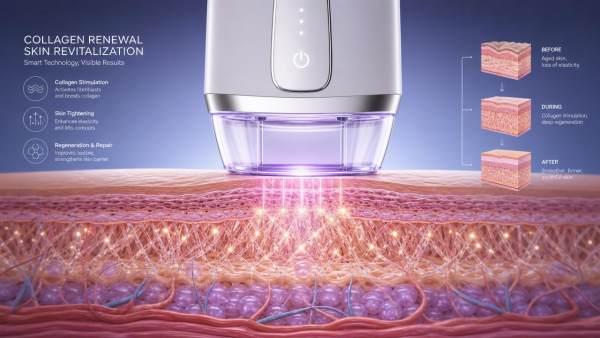
Collagen stimulation treatments are widely discussed in clinical aesthetics and home-device development. Yet visible improvement usually follows biology, not marketing speed.
For anyone studying collagen stimulation, the key question is timing. Results depend on thermal pattern, tissue depth, treatment cadence, age, and baseline skin quality.
In the broader appearance economy, this matters across medical devices, home beauty tools, and evidence-based anti-aging routines. Understanding realistic timelines helps separate early inflammation from true remodeling.
What does collagen stimulation actually mean?
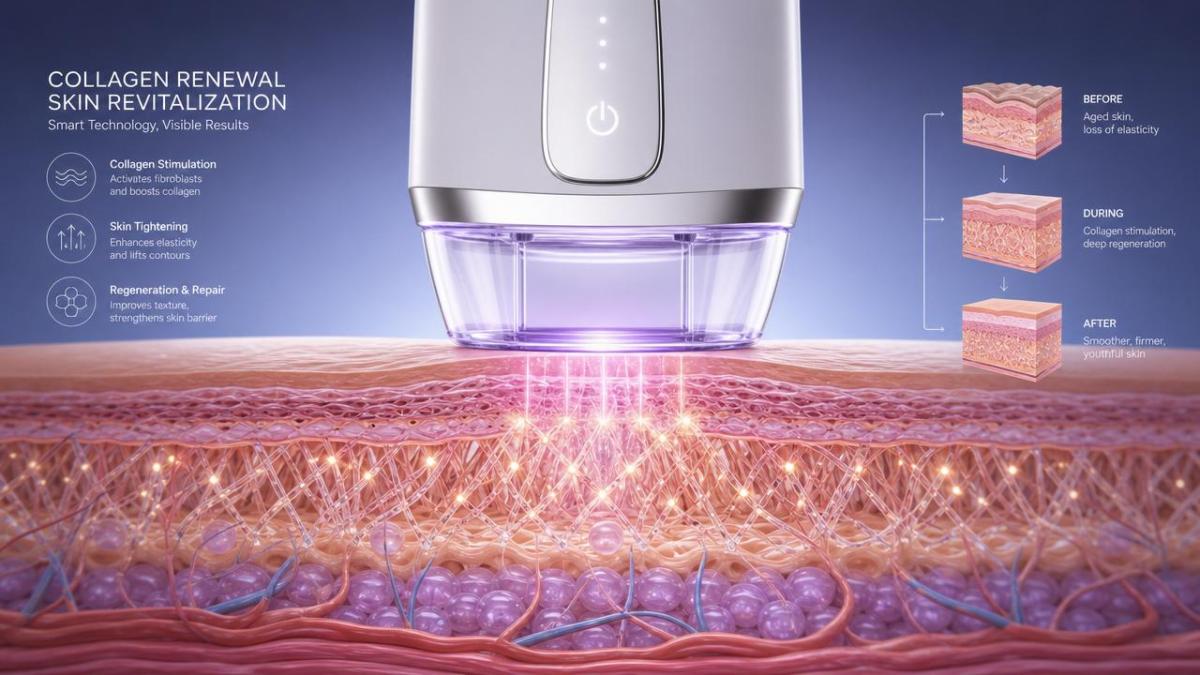
Collagen stimulation describes controlled triggering of the skin’s repair system. The goal is new collagen formation, better matrix organization, and firmer texture over time.
Different technologies create that trigger differently. RF heats tissue volumetrically. HIFU creates focused thermal coagulation points. Microneedling makes micro-injury. Lasers create selective zones of remodeling.
Although each pathway varies, collagen stimulation is rarely immediate. Instant tightening may happen from transient tissue contraction, but durable change needs fibroblast activity and matrix rebuilding.
This distinction is critical in both clinics and consumer technology reviews. Early “glow” is not the same as structural anti-aging progress.
When do visible changes begin after collagen stimulation treatments?
Visible changes can begin in stages. Some people notice subtle smoothness within days. However, meaningful collagen stimulation results often appear between four and twelve weeks.
A practical timeline often looks like this:
- 0–7 days: swelling, brightness, or mild tightening may appear.
- 2–4 weeks: texture may feel smoother, especially after repeated sessions.
- 1–3 months: collagen stimulation becomes more visible in firmness and fine lines.
- 3–6 months: deeper remodeling may continue, especially after HIFU or fractional technologies.
These windows vary by device class. Professional energy systems often produce stronger biological signaling than lower-energy home tools. Home-use collagen stimulation may require more sessions and more patience.
In technology intelligence discussions, this is where expectation management matters. A weekly RF routine differs greatly from a single high-output in-clinic treatment.
Why do some people think results started earlier?
Several effects can create an earlier impression. Temporary edema can plump lines. Better hydration can improve reflectance. Heat can also create a short-lived tightening sensation.
Those changes are not useless. They may improve appearance. But they should not be confused with long-term collagen stimulation and dermal remodeling.
Which factors make collagen stimulation faster or slower?
The pace of collagen stimulation depends on more than the brand name on a device. Treatment physics, tissue biology, and aftercare all influence visible timing.
1. Energy delivery and treatment depth
Stronger, more targeted thermal or mechanical stimulation usually drives clearer remodeling. The device must reach relevant dermal or subdermal layers without causing unnecessary surface injury.
2. Age and baseline collagen reserve
Younger skin may respond faster because fibroblasts are more active. Mature skin can still improve, but visible collagen stimulation often develops more gradually.
3. Treatment frequency
Home devices often rely on repeated exposures. Lower output can still support collagen stimulation, but consistency becomes the performance engine.
4. Skin condition and lifestyle
Smoking, high UV exposure, poor sleep, and weak barrier care can slow visible improvement. Good recovery conditions help collagen stimulation pathways function more efficiently.
5. Device quality and protocol design
In the beauty technology sector, engineering details matter. Temperature control, pulse structure, contact stability, and safety algorithms influence treatment consistency and outcomes.
Some industry observers track such details through intelligence platforms like 无, where technology, compliance, and commercialization trends intersect.
How do professional treatments compare with home collagen stimulation devices?
This is one of the most searched questions around collagen stimulation. The short answer is intensity versus accessibility.
Professional systems generally create more obvious collagen stimulation sooner. Their advantage comes from controlled power, calibrated depth, and more complex treatment endpoints.
Home devices fit another need. They extend maintenance, support routine-based anti-aging, and make technology more accessible. In many cases, they work best as cumulative tools.
In market analysis, this “clinic-to-home migration” defines a large part of the modern appearance economy. It reflects how medical-grade concepts become consumer habits.
How should results be evaluated without falling for misleading signals?
The best way to judge collagen stimulation is through structured comparison. Casual mirror checks are often distorted by lighting, hydration, and temporary inflammation.
Use a simple evaluation framework
- Take baseline photos in the same light and angle.
- Review changes at 4, 8, and 12 weeks.
- Track firmness, pore appearance, line depth, and skin bounce.
- Separate instant post-treatment effects from later remodeling.
For research or procurement benchmarking, objective metrics are even better. Examples include elasticity testing, standardized imaging, wrinkle grading, and patient-reported satisfaction scores.
If a platform discusses performance trends, safety intelligence, and design logic, references like 无 can help frame comparisons more critically.
What are the biggest mistakes people make about collagen stimulation timelines?
The biggest mistake is expecting all collagen stimulation methods to behave the same way. They do not share identical depth, mechanism, or treatment rhythm.
Common misconceptions
- “No result in one week means it failed.”
- “More heat always means better collagen stimulation.”
- “Temporary swelling proves deep remodeling.”
- “Home devices and clinic systems should show identical speed.”
Another mistake is ignoring the downside of over-treatment. Excess frequency or poor protocol control may irritate skin and disrupt adherence instead of improving collagen stimulation.
Safety, compliance, and energy precision are especially relevant in this industry. Anti-aging devices succeed when efficacy and tolerability are balanced, not when output is merely aggressive.
FAQ table: how long does collagen stimulation usually take?
Collagen stimulation is best understood as a staged biological process. Early visible changes may begin quickly, but meaningful firming usually takes several weeks.
The most reliable judgment comes from matching expectations to technology. Consider treatment depth, energy design, frequency, safety control, and your evaluation method.
If comparing anti-aging solutions across clinical and consumer settings, build a timeline-based checklist first. That simple step makes collagen stimulation claims easier to verify and easier to trust.
Related Intelligence
- Optoelectronics & Dermal TechAesthetic Equipment Comparison Chart: Treatment Uses, Skin Types, and DowntimeExplore our aesthetic equipment comparison chart to compare treatment uses, skin-type suitability, and downtime. Discover key safety checks and make smarter device purchasing decisions.
- Optoelectronics & Dermal TechChoosing a Collagen Stimulation Device Manufacturer: Evidence and Quality ChecksChoose a collagen stimulation technology manufacturer with confidence. Learn how to verify clinical evidence, regulatory status, production quality, and service before you buy.
- Optoelectronics & Dermal TechAesthetic Device Solutions: What Multi-Treatment Clinics Should EvaluateAesthetic device solutions for multi-treatment clinics: evaluate safety, workflow, versatility, lifecycle costs, and supplier support before investing.
The Morning Broadsheet
Daily chemical briefings, market shifts, and peer-reviewed summaries delivered to your terminal.
