

The Authority in Global Agricultural Chemistry & Bio-Resources
What makes an HIFU facial lifting machine supplier reliable
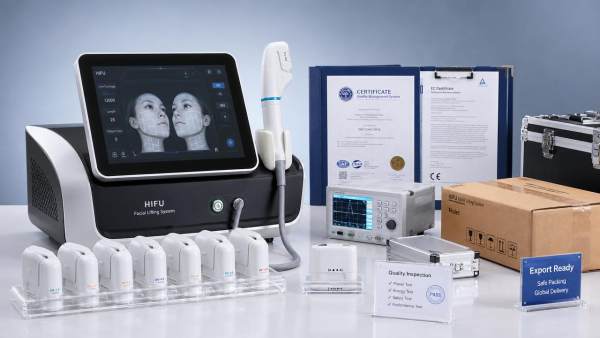
Choosing a reliable HIFU facial lifting machine supplier is critical for distributors, agents, and resellers who want stable product quality, compliant documentation, and long-term market competitiveness. From device performance and safety standards to OEM/ODM capability and after-sales support, the right supplier can directly influence your brand reputation, customer trust, and business growth in the fast-evolving aesthetic equipment industry.
Why reliability matters more than price in HIFU distribution
For a distributor, a HIFU facial lifting machine is not just a product. It is a package of clinical positioning, compliance exposure, service workload, and long-term customer retention. A low quotation may look attractive at first, but unstable energy output, poor cartridge life, missing technical files, or delayed spare parts can quickly turn a “good deal” into a costly liability.
In the appearance economy, buyers increasingly compare treatment comfort, visible lifting effect, and safety profile. That means the HIFU facial lifting machine supplier behind your product line must understand not only manufacturing, but also tissue-targeting logic, thermodynamic control, and the commercial realities of clinics, medi-spas, and brand distributors.
This is where an intelligence-driven approach becomes valuable. AECS follows the intersection of medical-grade optoelectronic devices, compliance shifts, and commercialization pathways. For channel partners, that perspective helps separate superficial factory claims from supplier capabilities that can actually support cross-border growth.
- You need stable device performance that reduces complaint rates after installation.
- You need documentation that supports customs clearance, market registration, or local tender requirements.
- You need a supplier that can scale from samples to recurring orders without changing quality.
- You need post-sale support that protects your own downstream reputation.
What a reliable HIFU facial lifting machine supplier should prove
When evaluating a HIFU facial lifting machine supplier, distributors should request evidence, not slogans. Reliability should be visible across technical design, production consistency, compliance readiness, and commercial responsiveness. If a supplier cannot explain its energy delivery logic or cartridge management system clearly, that is usually an early warning sign.
Core proof points to verify
- Technical transparency: clear explanation of treatment depths, cartridge options, pulse control, and thermal targeting for dermis and SMAS-related applications.
- Manufacturing consistency: defined incoming inspection, calibration routines, aging tests, and traceability for key components.
- Compliance preparedness: accessible user manuals, labeling files, electrical safety reports, and documentation needed for target markets.
- Commercial support: realistic lead times, spare parts strategy, training materials, and OEM/ODM communication efficiency.
The table below gives distributors a practical screening framework for judging whether a HIFU facial lifting machine supplier is ready for serious channel cooperation.
A capable supplier should answer these points with structure and evidence. Vague replies usually mean weak systems behind the sales presentation.
Which technical indicators deserve the closest attention?
Many resellers focus too much on screen design, housing appearance, or headline power figures. In reality, technical reliability in HIFU depends more on depth accuracy, thermal concentration, pulse stability, and ergonomic treatment logic. Because HIFU works by focusing ultrasound energy into precise tissue layers, poor control can reduce efficacy or increase discomfort.
Key technical areas to review
- Treatment depths and cartridge range. A useful portfolio should match common facial lifting indications rather than offer random consumables with unclear positioning.
- Energy control and shot uniformity. Stable output across a treatment session matters more than aggressive peak values on a brochure.
- Cooling, handpiece ergonomics, and user interface. These affect operator fatigue, learning curve, and treatment consistency in real clinics.
- Software logic and maintenance access. Service-friendly architecture reduces downtime for your customers.
For channel buyers comparing offers from more than one HIFU facial lifting machine supplier, a parameter-focused table can make hidden gaps easier to identify.
A distributor does not need to be a physicist, but the supplier should be able to explain the thermodynamic and treatment logic well enough for you to sell with confidence and train customers responsibly.
How to judge compliance and export readiness
A reliable HIFU facial lifting machine supplier must be ready for compliance questions early, not after a purchase order is placed. In many markets, aesthetic equipment is under rising scrutiny. Distributors who wait until shipping stage to ask for electrical safety reports, declarations, or labeling files often face delays, relabeling costs, or blocked entries.
AECS closely observes how policy and classification changes affect beauty technology exports. That matters because a machine suitable for one market may require different file preparation, language labeling, or risk documentation elsewhere. A compliance-aware supplier lowers your operational uncertainty.
Documents and readiness checks
- User manual and labeling aligned with the target market language and intended use.
- Electrical safety and electromagnetic compatibility documentation where applicable.
- Packing list, serial traceability, and production batch records for post-sale investigation support.
- Clear statement on whether the machine is positioned for professional aesthetic use and under what conditions.
The table below helps distributors organize a practical compliance conversation with any HIFU facial lifting machine supplier before market entry planning.
The best suppliers do not treat compliance as paperwork afterthought. They build it into product communication, export preparation, and after-sales traceability from the beginning.
OEM, ODM, and channel support: what distributors often overlook
Many distributors enter the market wanting a private-label HIFU device, but branding alone is not enough. A strong HIFU facial lifting machine supplier should help align the machine with your target segment, whether you sell to clinics seeking professional treatment systems or aesthetic centers wanting a balanced value proposition.
Useful channel support features
- OEM branding support for control interface, startup screen, packaging, and manuals where feasible.
- Sales materials that explain treatment logic, cartridge differences, and operating precautions clearly.
- Training structure for your local sales team and downstream operators.
- Spare cartridge planning and reorder management to avoid stock breaks.
This is also where AECS adds perspective beyond product sourcing. Because AECS tracks medical aesthetic devices alongside home beauty systems, oral care appliances, and automated cosmetic equipment, it sees how distributors build portfolios, not just single-SKU purchases. That broader view matters if you plan to expand from one anti-aging platform into adjacent appearance-economy categories later.
Procurement checklist for comparing HIFU facial lifting machine suppliers
A structured procurement process reduces mistakes, especially when quotations look similar. The goal is not simply to find a HIFU facial lifting machine supplier, but to identify one that can support recurring orders, technical questions, and market adaptation over time.
Recommended evaluation sequence
- Define your target channel: clinic, salon, medi-spa, or multi-branch distributor network.
- Shortlist suppliers based on technical clarity, not only catalog quantity.
- Request device specifications, consumable policy, compliance file list, and lead-time details.
- Assess training, warranty workflow, and spare parts availability before confirming price.
- Run a sample or demo evaluation with an operator-oriented checklist.
When possible, compare suppliers on total operating value rather than initial machine price. Lower failure rate, smoother support, and better documentation often create stronger margins for the distributor over a full sales cycle.
Common mistakes when choosing a HIFU facial lifting machine supplier
Mistake 1: equating brochure claims with field reliability
Some suppliers present appealing visuals and aggressive technical claims but cannot explain calibration, consumable control, or repair workflow. Distributors should prioritize verification over appearance.
Mistake 2: asking about certification too late
Compliance questions raised after deposit payment often expose file gaps that delay launch. Early document screening is faster and cheaper than post-order correction.
Mistake 3: ignoring cartridge economics
Even if the base machine price is acceptable, uncertain cartridge cost, unclear shot count policy, or slow replenishment can damage clinic profitability and repeat business.
Mistake 4: underestimating after-sales pressure
A distributor becomes the first contact when issues arise. If the factory lacks clear support pathways, your team absorbs the operational stress and reputational damage.
FAQ for distributors, agents, and resellers
How do I verify whether a HIFU facial lifting machine supplier is truly experienced?
Ask practical questions instead of broad ones. Request explanation of cartridge depth logic, maintenance steps, file preparation, and warranty workflow. A reliable supplier usually responds with process details, not only commercial promises.
What matters more: machine price or consumable strategy?
For long-term channel success, both matter, but consumable strategy is often underestimated. Cartridge availability, shot-count consistency, and replacement lead time directly affect your customers’ operating economics.
Should I choose OEM branding from the beginning?
If you already have a defined market and sales plan, OEM can strengthen channel identity. If not, it may be better to validate device performance, support quality, and reorder rhythm first before expanding customization.
What delivery topics should be confirmed before placing an order?
Confirm production lead time, sample schedule, packaging details, spare parts list, user manual status, and consumable replenishment cycle. These details often matter more than a small unit-price difference.
Why work with an intelligence-led partner
The aesthetic device business is no longer just about finding a factory. It is about aligning technology, compliance, market positioning, and channel execution. AECS brings a broader view of the appearance economy by connecting medical-grade optoelectronic understanding, compliance observation, and commercial analysis across aesthetic and personal care equipment sectors.
For distributors evaluating a HIFU facial lifting machine supplier, that means sharper screening criteria, better awareness of export risks, and stronger judgment on whether a product can support real market growth instead of short-term trading.
Why choose us for your HIFU supplier evaluation and sourcing support
If you are comparing HIFU facial lifting machine suppliers, AECS can support a more informed decision process around product positioning, technical review, and commercialization readiness. Our perspective combines aesthetic device category knowledge with close attention to compliance risk, thermodynamic treatment logic, and channel economics.
- Consult us for parameter confirmation, including cartridge configuration, treatment depth logic, and consumable planning.
- Discuss product selection based on your target customers, price band, and clinic or distributor channel model.
- Review delivery cycle expectations, sample arrangements, and ongoing spare parts support requirements.
- Explore OEM or ODM customization, including branding direction, documentation needs, and packaging coordination.
- Clarify certification and export document expectations before you commit to a purchase plan.
- Request quotation communication support with a focus on total channel value, not just ex-factory price.
If your goal is to build a reliable anti-aging equipment line with lower risk and better downstream confidence, the right next step is a structured discussion around specs, compliance scope, market fit, and support model.
Related Intelligence
- HIFU SystemsHIFU Equipment for Clinics: Comparing Treatment Depths and Cartridge CostsCompare HIFU equipment for clinics by treatment depth, cartridge lifespan, and replacement costs. Discover what to verify before investing to support safe care and protect margins.
- HIFU SystemsWhat Safety Risks Should Buyers Check Before Sourcing HIFU Devices?What safety risks should buyers check before sourcing HIFU facial lifting devices? Explore essential checks for energy control, cartridges, safeguards, compliance, and supplier traceability.
- HIFU SystemsWhat Is SMAS Layer Lifting? Understanding How HIFU Targets Deep Facial TissueSMAS layer lifting with HIFU targets deep facial tissue to support gradual tightening, refine the jawline, and improve mild laxity. Explore how it works, realistic results, and safety considerations.
The Morning Broadsheet
Daily chemical briefings, market shifts, and peer-reviewed summaries delivered to your terminal.
