

The Authority in Global Agricultural Chemistry & Bio-Resources
Automated filling machines: where output gains get lost
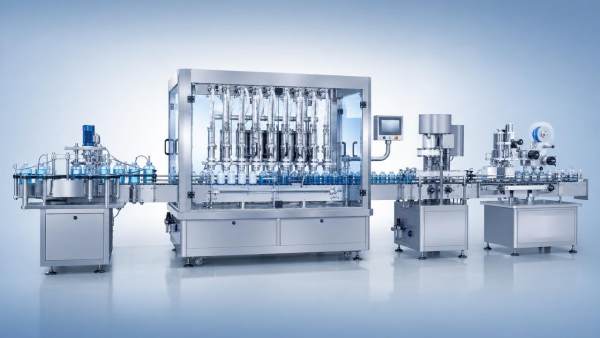
Automated filling machines promise faster throughput, tighter dosing accuracy, and lower labor dependency, yet many manufacturers still fail to capture their full output potential. For business decision-makers, the real losses often hide in changeovers, material behavior, line synchronization, and maintenance gaps. Understanding where these bottlenecks occur is the first step toward turning filling automation into measurable production and profitability gains.
Why automated filling machines underperform even after investment
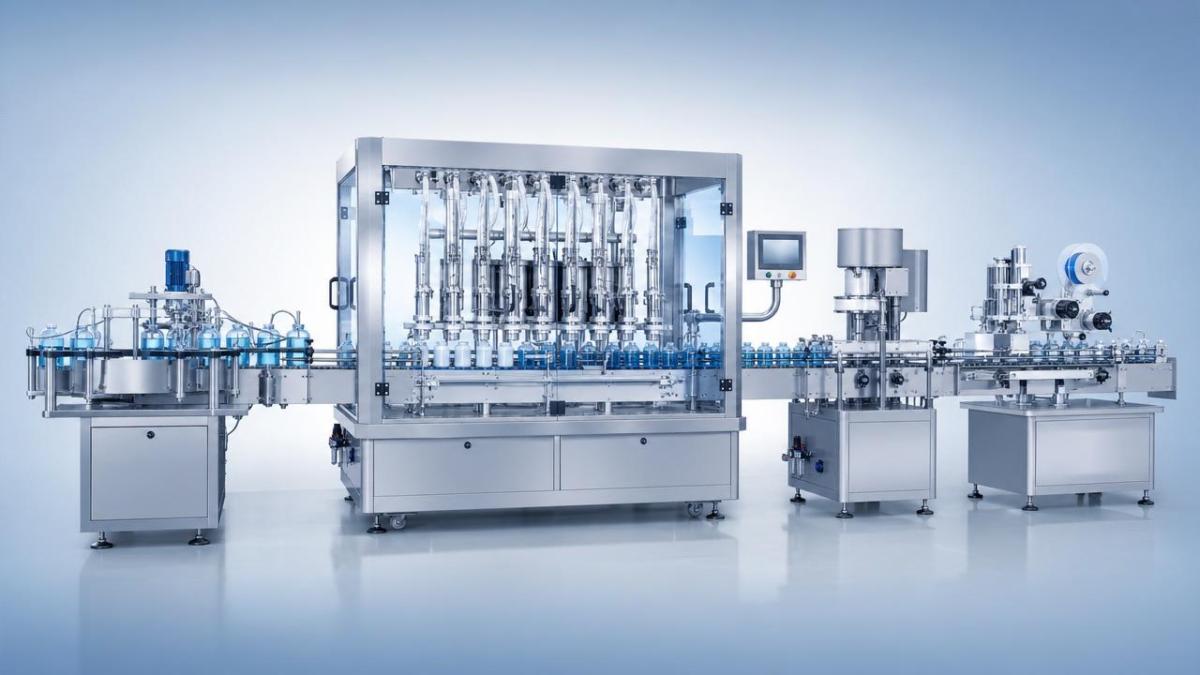
In cosmetics, oral care, personal care, and adjacent consumer health manufacturing, automated filling machines are often purchased with a simple expectation: higher line speed equals higher output. In practice, that equation breaks down when the machine is treated as an isolated asset instead of one node in a fluid, packaging, compliance, and labor system.
AECS tracks this gap closely because beauty and everyday care products are unusually sensitive to viscosity, foaming, thermal stability, packaging variation, and regulatory traceability. A serum, toothpaste gel, ampoule essence, cream, and mouthwash do not behave the same at the nozzle, in the hopper, or during line restart after a stop.
For enterprise decision-makers, the key issue is not whether automated filling machines can run fast. It is whether they can sustain effective output across SKU diversity, cleaning cycles, operator shifts, and upstream-downstream coordination without hidden losses in scrap, downtime, or complaints.
- Nameplate speed is often measured under stable conditions with one product, one container format, and minimal interruptions.
- Real production usually includes short runs, seasonal launches, promotional packs, and export variants that compress the available runtime.
- Output loss frequently migrates from the filler itself to feeders, cappers, conveyors, coding units, or cleaning procedures.
The most common hidden loss categories
Most factories do not lose output in one dramatic event. They lose it in repeated micro-stoppages, low-speed running, startup rejects, delayed material replenishment, and extended changeovers. These losses are especially costly in high-mix aesthetic and personal care manufacturing, where brand owners demand both speed and premium presentation.
Where output gains get lost on a real filling line
Before selecting or upgrading automated filling machines, leadership teams should separate theoretical throughput from effective throughput. The table below maps the most common output loss points seen in multi-SKU manufacturing environments.
This comparison shows why automated filling machines should be judged by integrated line efficiency, not isolated cycle speed. In premium beauty and oral care operations, a slower but more stable line can outperform a faster but interruption-prone setup over a full week of production.
Changeovers are the silent profit leak
In appearance-economy categories, marketing teams launch frequent variants. Different bottle shoulders, pump lengths, sachet dimensions, and decorative packaging force repeated adjustments. If automated filling machines are not designed for fast recipe recall, tool-less parts exchange, and clear operator guidance, the expected output gain disappears in setup time.
Fluid dynamics decides whether speed is real
AECS places unusual emphasis on thermodynamics and fluid behavior because fill performance depends on the product itself. Highly active essences, emulsions, gels, and foaming oral liquids respond differently to pressure, temperature, dwell time, and nozzle design. A machine that performs well on water-like liquid may struggle with shear-sensitive cream or bubble-prone mouthwash.
This is why process understanding matters before procurement. Decision-makers who ignore fluid behavior often end up overspending on speed while underinvesting in hopper conditioning, agitation logic, deaeration, or filling valve suitability.
How to evaluate automated filling machines beyond brochure speed
A robust procurement review should compare automated filling machines on operational fit, not just capacity claims. The next table can be used during supplier discussions, internal CAPEX review, or technical due diligence.
These criteria help procurement teams connect equipment choice to business outcomes such as shorter launch cycles, lower giveaway, easier compliance review, and more predictable delivery windows for contract manufacturing customers.
Watch the interfaces, not only the machine
Many investment reviews overlook the interfaces around automated filling machines. Yet in cosmetics automated production lines, the real throughput ceiling may sit in bulk transfer, container feeding, cap orientation, induction sealing, coding verification, or final cartoning. A filling upgrade without line synchronization can simply move the bottleneck downstream.
- Check actual speeds for every linked station under the same SKU and shift conditions.
- Review accumulation buffer logic to absorb brief stops without shutting the full line.
- Confirm recipe management and HMI clarity to reduce operator-dependent variation.
Which scenarios create the highest risk of lost output?
Not every plant faces the same performance risks. Automated filling machines show the biggest efficiency gap in operations with high SKU turnover, premium packaging, sensitive formulas, and export-level documentation needs. These are typical conditions in the sectors AECS serves.
High-mix cosmetics and skincare
Creams, lotions, ampoules, masks, and essences often require different dosing systems and hygiene routines. If the line was chosen for one hero SKU, later portfolio expansion can create rising downtime and unstable fill consistency.
Oral care with foaming or viscous media
Tooth gels and mouth-care liquids may look simple but can be difficult to fill cleanly. Bubble formation, stringing, and residual drip affect not only net content but also packaging appearance, which is critical for retail quality acceptance.
OEM and private-label production
Contract manufacturers are hit hardest by changeover loss because customer orders are fragmented. In this context, automated filling machines must support flexible scheduling, repeatable setup, and rapid sanitation, or margin gets consumed by labor and idle time.
For related product and process references, some teams also review 无 during early benchmarking, especially when comparing equipment concepts with broader packaging automation options.
Cost, compliance, and maintenance: the decision factors that matter most
Enterprise buyers usually focus first on purchase price. However, the bigger financial question is total operating impact. Automated filling machines affect labor deployment, material giveaway, cleaning time, spare parts usage, validation workload, and customer complaint exposure.
- Measure giveaway cost by formula value. Overfill is far more expensive in active serums than in low-cost rinse products.
- Estimate downtime cost by order structure. Short runs magnify every minute lost in setup and sanitation.
- Review maintenance capability. A fast machine with poor parts access or weak local support can reduce annual effective output.
- Align with compliance expectations. Hygienic design, traceability, and documentation discipline are increasingly important for export-facing production.
Compliance is not separate from output
In consumer healthcare and personal care, output losses often come from quality holds and documentation gaps rather than mechanical failure alone. Good manufacturing practice expectations, cleaning records, batch traceability, and consistent net content control all influence how fast product can move from line completion to release.
AECS brings value here by connecting technical equipment review with regulatory awareness across export-oriented categories. That matters when the same plant serves beauty devices, oral care appliances, and cosmetic manufacturing projects under different market expectations.
FAQ: what decision-makers ask before buying automated filling machines
How should we compare automated filling machines for different product viscosities?
Start with your real formula range, not a generic liquid category. Review whether the system can maintain dosing stability across temperature variation, product aeration, and different container sizes. If your portfolio includes serum, cream, gel, and rinse products, ask suppliers to explain the filling principle and nozzle behavior for each group.
What is the biggest mistake in filling line procurement?
The most common mistake is buying to peak speed instead of buying to production reality. A line that runs one SKU very fast but changes over slowly may underperform in a factory serving multiple brands, channels, or export markets. Effective output per week is the number to protect.
Are automated filling machines suitable for small and medium batch production?
Yes, but only if format adjustment, cleaning access, and recipe management are designed for flexibility. Small and medium batch manufacturers benefit most from reduced labor dependency and repeatable dosing, but they also suffer most when setup time is high.
What should be confirmed before final quotation?
Confirm product characteristics, target output by SKU, container and closure range, cleaning expectations, integration with upstream and downstream equipment, and documentation needs. Without this detail, quotations for automated filling machines can look comparable while hiding major differences in operating fit.
Why strategic intelligence matters before you scale filling automation
In appearance-economy manufacturing, equipment decisions sit at the intersection of physics, packaging, compliance, and commercial timing. That is why AECS approaches automated filling machines through a wider intelligence lens: fluid dynamics for dosing stability, thermodynamic behavior where temperature affects product handling, compliance insight for export risk, and commercial analysis for ROI discipline.
This broader view is especially relevant for manufacturers producing skincare, oral care, personal care appliances, or cosmetic automation solutions, where product premiumization raises the cost of every preventable defect, delay, and overfill event.
Why choose us
AECS supports business decision-makers who need more than a generic equipment list. We help translate automated filling machines into practical decisions tied to formula behavior, packaging complexity, compliance expectations, and line economics.
- Parameter confirmation for viscosity range, dosing method, container compatibility, and expected line balance.
- Selection guidance for high-mix cosmetics, oral care liquids, creams, gels, and OEM production models.
- Delivery-cycle discussion based on project scope, integration depth, and changeover requirements.
- Customized solution review covering sanitation logic, traceability, and downstream packaging coordination.
- Quote communication built around actual operating conditions rather than brochure assumptions.
If your team is evaluating output improvement, SKU expansion, or a new automated filling machines investment, bring your product matrix, target capacity, packaging formats, and compliance targets into the discussion. That is the fastest way to identify where output gains are being lost and what configuration will recover them with the least risk.
Related Intelligence
- Cosmetic Filling LinesChoosing a Filling and Sealing Machine Manufacturer: Factory Trial ChecklistChoose a filling and sealing machine manufacturer with confidence. Use this factory trial checklist to verify fill accuracy, seal integrity, output, and support before you invest.
- Cosmetic Filling LinesSkincare Manufacturing Solutions: Choosing Filling Lines for Creams and SerumsExplore cosmetic manufacturing solutions for skincare. Compare cream and serum filling lines for accuracy, easy cleaning, and reliable output to find the right fit for your production.
- Cosmetic Filling LinesCosmetic Manufacturing Line Price: Cost Drivers and Budgeting for New PlantsCosmetic manufacturing line price explained: compare cost drivers, automation, compliance, utilities, and total plant-ready budgeting for smarter investment decisions.
The Morning Broadsheet
Daily chemical briefings, market shifts, and peer-reviewed summaries delivered to your terminal.
